Burnley Wood Club, Lancashire
Founded in 1876, Burnley Wood Club in Lancashire continues to thrive as a beloved community venue for members of all ages with an array of activities taking place every day of the week.
When a beloved social club reaches its 150-annivesary, it is not merely celebrating its own survival, it is celebrating the loyalty of generations, the resilience of its community and its continuing ability to evolve as a venue for the benefit of its members and local people.
So it is with Burnley Wood Club (formerly Burnley Wood Conservative WMC), which has just celebrated this mighty milestone.
Founded in 1876, the club now boasts 180 members (the maximum amount of members it allows per year) and remains a thriving hub of darts, dominoes, snooker, live music and genuine community spirit.
Club Secretary Anthony Hodgkinson, who has served the club for more than 20 years, has been at the forefront of ensuring that Burnley Wood Club continues to flourish and be a home from home for its members who range in age from 18 to 88.
The club's origins are deeply rooted in the political and social fabric of 19th‑century Burnley.
Originally established as a Conservative Club, it first opened on Springfield Road before moving to Waterloo Road.
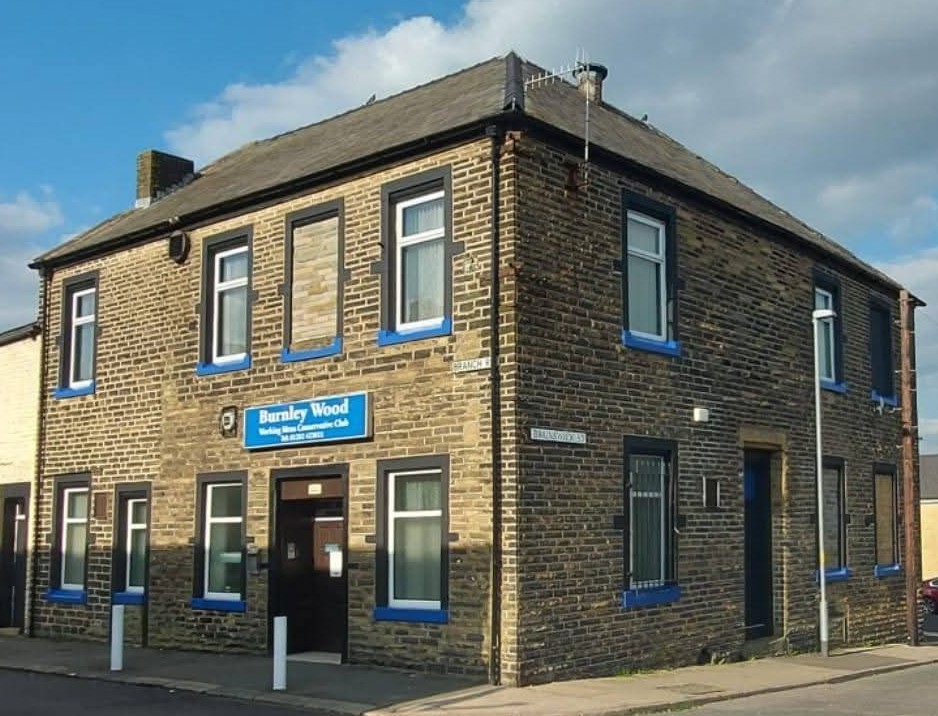
Rapid growth soon demanded a permanent home, and in 1891 the current premises on Branch Road were built at a cost of around £1,100 – funded through shares and a mortgage.
The opening ceremony was a grand affair with Sir John Thursby officiating, leading a parade from St Stephen's Schoolroom accompanied by the Bank Hall Reed Band.
Sir John also contributed £50 towards one of the club's billiards tables – a gesture that set the tone for a century and a half of local patronage.
Reflecting on that legacy, Club Secretary Anthony Hodgkinson says: "We've been going for 150 years now, and it's still a thriving club with a devoted community of members and regulars.
"It has always been an important part of Burnley."
The original building included reading rooms, games rooms, and smoke rooms – traditions that have never fully disappeared.
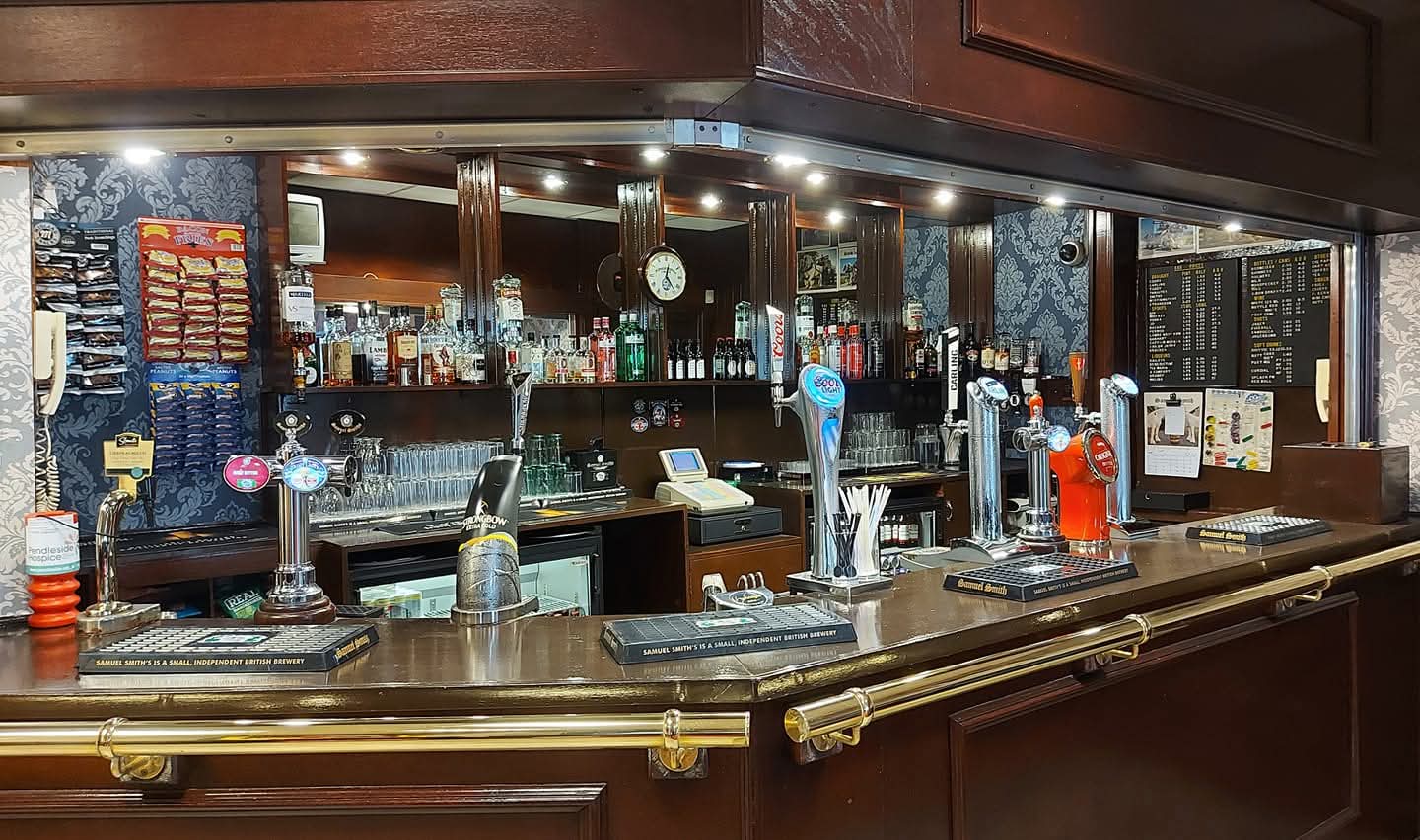
Over the decades, the club expanded into adjacent properties, creating larger open‑plan spaces, a dedicated snooker and buffet room and modernised bar facilities..
When it came to the 150th celebrations in April, the held events on successive Saturdays.
On the first Saturday, the club booked the band Alphabetical Twins – with outdoor and indoor performances featuring some top rock tunes drawing a big crowd.
The committee also ran members' draws, a quiz, bingo, and sticky cards from 6pm, with the band playing from just after 8pm until 11pm. Meanwhile, all draught beers were discounted by £1.50 for the night.
The following Saturday, the club hosted another band, Blackpool-based covers band Trident Party Trio, with the same price drop at the Bar and further members' draws and other games.
"Those two Saturdays were fantastic and really well supported by the members," says Anthony.
"Everyone was really delighted to be marking 150 years of the club and the discounted beer was a way saying thank you to the members who had kept the doors open for the past century and a half."
One of the most striking things about Burnley Wood Club is how busy it remains.
Where many clubs can often struggle to get members through the doors on weekday evenings, this club has a structured rhythm to its week which brings good levels of trade seven days a week.
"The club is doing really well," says Anthony.
"We have a full programme of regular events and activities which bring different groups of people.
"On Monday nights we have crash and dominoes; Tuesday afternoons we have a special club for older members; Tuesday nights we have the ladies' darts teams in action while Thursdays the men's darts team fixtures take place.
"Then Fridays are naturally busy as the working week ends and weekends feature live entertainment with turns on Saturday nights and Sunday afternoons.
"The club currently fields three ladies' darts teams and two men's darts teams, all competing in local leagues.
"Snooker and pool remain highly popular, even if the club doesn't currently run a snooker league team.
"Snooker, billiards and dominoes are still a big part of what we do," says Anthony.
"Some things never change – it's about people coming together and enjoying themselves."
The club's physical expansion tells its own story. What began as a modest reading room downstairs and games room upstairs gradually absorbed neighbouring shops and the steward's house next door.
By the late 1980s, the house beyond that was also incorporated, creating the open‑plan layout seen today.
The club also survived a significant threat in the 2010s.
A 2016 article in the Burnley Express – now a decade out of date – recorded that the local council had proposed demolishing the building and moving the club to a new site.
But the Committee and members stood their ground and made the Council change its mind. In hindsight, that decision proved vital.
As new housing has been built around Burnley Wood – with old terraced streets replaced by modern homes – the club has remained in the perfect position to welcome new neighbours.
Anthony confirms that the regeneration has brought fresh faces through the door, people eager to join the club and enjoy its facilities and welcoming community atmosphere.
One of the club's quiet strengths is its intergenerational membership. While many social clubs struggle to attract under‑40s, Burnley Wood has maintained a steady flow of younger members with children of existing members automatically eligible to join when they turn 18.
"So our membership ranges from 18 to 88," says Anthony.
"And everybody knows each other. It's not like one of those clubs where someone walks through the door and everyone's staring as if to say, 'Who's that?'
"Because everyone knows each other in here and they are also welcoming to prospective members."
That sense of familiarity – of genuine community rather than anonymous crowds – is the club's greatest asset.
Like every venue in Britain, the club faced its toughest test during the pandemic. Lockdowns, closures, and social distancing could have finished what 150 years of social change had not.
But support arrived in the form of lockdown grants. "The grants gave us a massive lifeline during those times and helped boost the club's finances," says Anthony.
The club also managed to navigate the strange period of table service and limited capacity.
When England reached the later stages of the Euros in the summer of 2021, the club adapted quickly – waiting on tables so no one missed a moment of the action.
Despite its longevity, the club continues to move with the times. The club, a Free House, is now supplied by Molson Coors and Lancashire Beer, offering a modern range of popular drinks – served expertly by Bar Manager Daniel Swainston – including Carling, Coors, Worthington's, Brew Eleven, ABK Lager, Strongbow, and Tetley Bitter.
Spirit prices remain notably competitive – single measures of vodka at £1.90, gin at £1.85, and whisky at £1.75 – making the club very competitively priced with other venues in the area.
The club also uses Facebook effectively to advertise upcoming bands and events, which bring in customers from across the area.
For major events like the upcoming World Cup, the club runs a blind draw – members pay a fiver for an envelope with a team name, but the envelope isn't opened until the day of the final.
"It makes it more exciting to find out who you've got – rather than knowing before the World Cup starts and getting knocked out in the first round," explains Anthony.
"We have a big screen and three other televisions around the club so we're expecting to have plenty of members in here cheering on England during the World Cup."
Behind every successful club is a dedicated committee – and Burnley Wood is no exception. Anthony Hodgkinson himself has served more than two decades as secretary.
Alongside him, Ade Porter has given over 20 years as both trustee and treasurer.
Ten years ago, when the club marked 140 years since its founding and 125 years in the Branch Road building, there was confidence then – but also uncertainty.
The 2016 article in the August edition of the Club Journal spoke of regeneration plans, new housing and hopes for growing membership.
Today, that confidence has been fully vindicated. The new housing is built. The new neighbours have arrived. And the club is still open – every day at 12 noon.
Burnley Wood Club continues to be a key focus of the local community. Its 150th anniversary is not an ending – it is a milestone on a road that shows no sign of ending.